
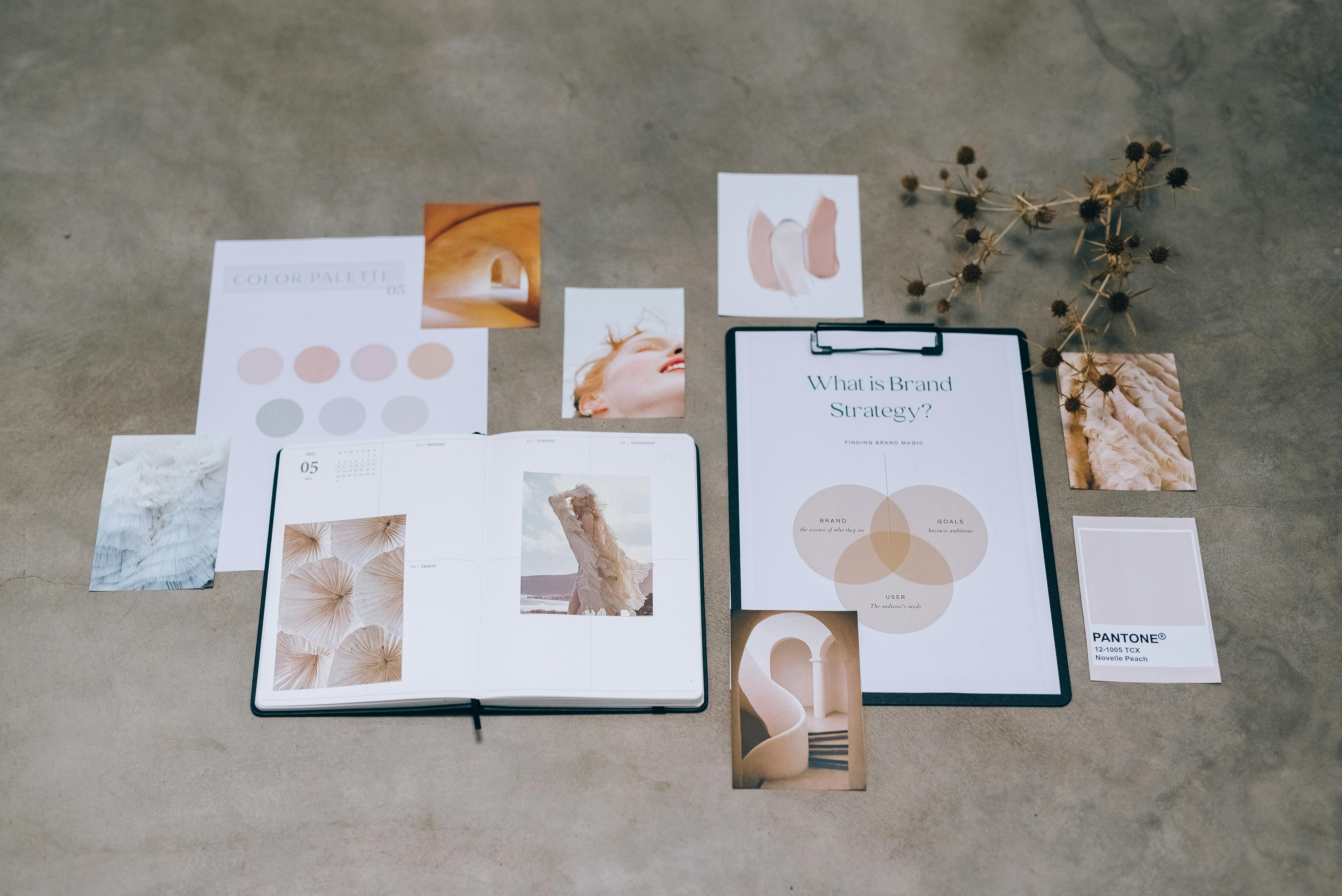
What does brand before growth actually mean?
Brand before growth means you lock who you're for, what you promise, and how the experience proves it before you pour money into acquisition. Growth amplifies whatever brand you already have. If the foundation is fuzzy, ads just make the confusion louder and a lot more expensive.
I learned this one the hard way, more than once. I've watched the same movie for 15+ years, a decade of it running BuzzShift, and the ending rarely changes. A founder ships a product people genuinely like. The early orders feel like product-market fit. Somebody says it's time to scale. Media turns on, CAC climbs, retention goes soft, and the whole team starts optimizing ads instead of the promise. Everybody's busy. Nothing compounds.
Founders almost never fail from a shortage of ideas. They fail from doing the right things in the wrong order.
Why brands stall right after they "find" growth
DTC grew up. Cheap attention is gone, and I wrote more about that in DTC Isn't Dead. What's left is the stuff that was always doing the heavy lifting: a brand people can explain without your logo, and an experience that makes them come back without you bribing them every week.
People buy brand, not product. A great product is your ticket to play. The brand is why someone picks you again when something cheaper shows up next to you on the shelf or in the feed.
So when customers don't come back, I'd look at the promise long before I'd touch another email flow. Retention is the brand's report card, and lifetime value is the number that tells you whether the brand is real.
GardenCup did the hard parts first
GardenCup is the cleanest example I've got.
Back in 2021, Brad Savage brought me in through BuzzShift to set the early brand foundation. Then Brad did the part most founders skip. He spent years figuring out how to ship fresh salads direct to consumers across the country, which is about as hard as shipping gets. Operations first. Demand earned slowly.
Once the model was real, he brought me back after my agency exit. I built the brand as fractional CMO and brand partner, $0 to $29M in 18 months, and I'm still in his corner as an advisor. When I came back, the product had honestly outrun the brand. The look and the messaging hadn't caught up, acquisition leaned on branded ads with a rising CAC, and partnerships were happening one at a time with no system behind them. So we refreshed the brand and the site so the outside matched the inside, moved acquisition toward creators and product seeding, and turned partnerships into actual products.
Ads didn't do that. The order did.
The order I'd run it in
I walk founders through the same sequence every time, and it's not complicated. It's just hard to be patient with.
Start with the truth: who this is for, what job it does for them, and who you're taking customers from. If a stranger can't repeat it back to you in one sentence, you're not ready for the rest. Then make the promise real, so the product, the site and the service all deliver the same thing every single time. Only then do I want to look hard at the economics: what a customer costs, what they're worth, and whether they come back. Once those hold, you build the weekly rhythm so priorities stop changing every Monday. And then, finally, you pour fuel on it with creators, media, retail and partnerships.
Ads are a last-step tool. Using them at step two is how you burn cash and call it learning.
Before you raise media spend, sit down and answer these honestly:
- Who is this for, in one specific sentence?
- What do we promise that a competitor can't copy tomorrow?
- Where does the customer feel that promise before they buy?
- What would make a first-time buyer come back without a discount?
- If CAC jumped tomorrow, would the brand still hold?
If those are hard to answer, you don't need more creative tests. You need brand work. And that's okay. It just means you know where the next 90 days go.
What I'd fix first, depending on where it hurts
If CAC is climbing, treat it as a symptom. Usually the market just doesn't understand you fast enough to trust you, and that's a positioning and offer problem long before it's a bidding problem. I go deeper on this in What's a Good CAC for a DTC Brand?.
If retention is soft, go back to the promise. Are you selling convenience and delivering friction? Selling premium and delivering average? Customers notice that gap faster than any dashboard does.
If your team is drowning in tactics, you're missing a decision rhythm. Somebody has to own the order of operations. I spent years being the bottleneck at my own company before I figured that out, so I say this with a lot of love.
Quick answers
Do I have a brand or just a product? If strangers can explain why you exist without seeing your logo, you've got the start of a brand. If people only buy when you discount or retarget them, you mostly have a product with a storefront.
Should I fix brand or acquisition first? Fix the brand enough that acquisition has something true to amplify. If you already have strong repeat and weak reach, you've earned the right to buy attention.
Is this just a rebrand? No. A rebrand changes the wrapper. This changes the order you make decisions in. Sometimes you need new identity work, but more often the brand you have just needs to finally match the operations, the offer and the growth system. GardenCup was refinement and sequencing.
Is it different for CPG versus pure DTC? Same physics, different channels. Retail just punishes a fuzzy brand faster. More on that in Build the Demand First.
Where to start
If you want the whole sequence in one place, grab the free Brand-Led Founder Playbook. If you want a quick outside read on whether you've got a product or a brand, try the free GrowBrands Brand Score.
And if you'd rather talk it through, book a free Brand Clarity Session. Bring your numbers. I'll bring the questions. If you want me in the seat with you while you fix it, here's how I work as a fractional CMO.