

Introduction
When it comes to branding strategy examples, understanding how top companies execute theirs can offer invaluable insights. Here’s a quick rundown of some prime examples to get you started:
- Apple: Differentiation through design and user experience.
- Volvo: Differentiation focusing on safety.
- Dollar Shave Club: Value-based branding on convenience and affordability.
- IKEA: Value-based branding around style and accessibility.
A well-crafted branding strategy is more than just a catchy slogan or logo. It’s the blueprint that guides how a brand positions itself, communicates, and builds its unique identity. This strategy shapes everything—from market positioning to visual impact and customer engagement—helping brands stand out and foster deep connections with their audience.
I'm Cameron Gawley, an expert in brand building with over a decade of experience helping businesses elevate their brand messaging and customer engagement. Through my work, I've helped brands like Everlane, Takis, and Oak & Eden achieve scalable growth. Let’s dive into what makes a successful branding strategy and see how you can apply these examples to your own business.
1. Brand Positioning Strategies
Apple
Apple is a master of differentiation. Their approach isn't just about selling products; it's about selling a lifestyle. The iPhone, for instance, didn't just transform how we use smartphones with its functionality; its sleek design and user-friendly interface set it apart. Apple's "Think Different" campaign is a classic example of how they position themselves as a brand for the creative and the individualistic. This was more than just marketing; it was a narrative that redefined the tech industry.

Apple's focus on innovation and design has carved out a unique niche, making them a leader in a crowded market. They didn't just compete; they redefined what a smartphone could be by emphasizing aesthetics and user experience.
Volvo
Volvo's branding strategy focuses on safety, a unique angle in the automotive industry where speed and luxury often dominate. Volvo's commitment to safety is evident in innovations like the three-point seatbelt, which they introduced in 1959. This feature has saved countless lives and became a standard across the industry.

Volvo's emphasis on safety doesn't just differentiate them; it builds trust and loyalty among consumers. Their focus on reliability and care has established a strong reputation, making them a go-to brand for safety-conscious drivers.
By prioritizing safety, Volvo has successfully created a brand identity that resonates deeply with its audience, setting it apart from competitors who focus on other attributes.
Next, we'll explore how visual elements like logos and colors play a crucial role in branding.
2. Visual Branding
Visual branding is all about using logos and colors to create a strong and memorable identity. These elements help tell a brand's story and make an emotional connection with consumers. Let’s look at how Nike and Coca-Cola excel in this area.
Nike
Nike’s logo, the Swoosh, is one of the most iconic symbols in the world. It’s simple, yet it says so much. The Swoosh represents movement, energy, and aspiration. It’s a perfect fit for a brand that’s all about athleticism and achievement.

Nike’s choice of colors also plays a crucial role. The black and white palette is clean and timeless, making it versatile across various products and marketing materials. This simplicity ensures the logo is instantly recognizable, whether it’s on a billboard or a shoe.
Coca-Cola
Coca-Cola’s use of red is a masterclass in color psychology. Red is associated with passion, excitement, and energy. It makes people think of joy and celebration, which aligns perfectly with Coca-Cola’s brand message of happiness and togetherness.
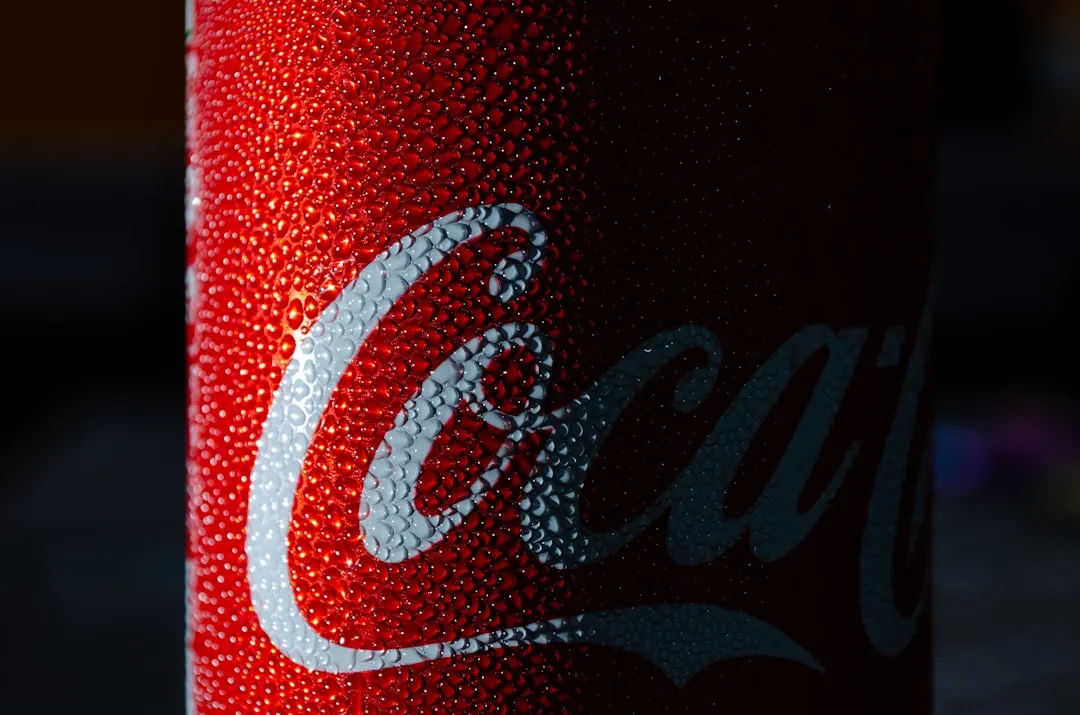
The red color is consistent across all Coca-Cola branding, from cans to advertisements. This consistency helps consumers instantly recognize the brand, no matter where they are in the world. Coca-Cola’s visual identity is so strong that even a glimpse of red can make people think of their favorite soda.
Next, we'll dive into how storytelling can elevate your brand by creating deeper connections with your audience.
3. Branding Through Storytelling
Storytelling is a powerful way to create a deeper connection with your audience. It turns your brand into more than just a product; it becomes a part of the consumer's life story. Let's explore two excellent branding strategy examples: TOMS Shoes and GoPro.
TOMS Shoes
TOMS Shoes mastered narrative branding with their "One for One" campaign. The idea is simple: for every pair of shoes you buy, TOMS donates a pair to a child in need. This campaign transformed buying shoes into an act of social responsibility.
Why it works:- Emotional Connection: Customers feel they are making a difference with each purchase.- Clear Mission: The brand’s mission is easy to understand and resonates with socially conscious consumers.- Storytelling: TOMS shares stories of the children who receive the shoes, making the impact tangible.
This approach not only sells shoes but also fosters an emotional bond beyond the product itself. It turns customers into advocates for the brand, creating a loyal community.
GoPro
GoPro took a different approach by leveraging user-generated content. They encourage customers to share their adventures using GoPro cameras. This strategy has been a game-changer.
Why it works:- Authenticity: Users share real experiences, adding credibility to the brand.- Community: Customers become part of a larger adventure-loving community.- Engagement: GoPro showcases user-generated videos on their platforms, celebrating their customers' stories.
GoPro’s cameras are designed for action and adventure, and their branding highlights this perfectly. By turning customers into storytellers, GoPro connects deeply with its audience, celebrating the adventurous spirit.
These strategies show how powerful storytelling can be in creating a strong brand-consumer relationship. Next, we’ll look at digital branding strategies that leverage social media and content marketing to build brand identity online.
4. Digital Branding Strategies
Digital branding is all about using the internet to build your brand's identity and connect with more people. Two powerful strategies in this area are social media branding and content marketing. Let's dive into how Wendy’s and Red Bull excel in these strategies.
Wendy’s
Social Media Branding: Twitter and Humor
Wendy’s is a master of social media, especially on Twitter. They have turned their Twitter account into a platform for humor and quick-witted responses. This strategy has made them famous for their funny comments and epic comebacks.
Here’s why it works:
- Real-Time Engagement: Wendy’s responds to tweets quickly, making their brand feel more like a friend than a company.
- Humor: Their funny and sometimes savage tweets stand out, making people want to follow and engage with them.
- Relatability: By using a casual and humorous tone, Wendy’s makes their brand more relatable and approachable.
This approach has helped Wendy’s build a strong online community and a loyal following. Their Twitter strategy shows that being funny and engaging can make a brand memorable.
Red Bull
Content Marketing: Adventure and High-Energy Sports
Red Bull is not just an energy drink; it’s a lifestyle brand. Their content marketing focuses on adventure and high-energy sports. They produce videos, articles, and even host events that showcase an adventurous lifestyle.
Here’s why it works:
- High-Quality Content: Red Bull creates professional and engaging content that attracts viewers.
- Adventure Focus: Their content often features extreme sports and adventurous activities, aligning perfectly with their brand image.
- Community Building: By focusing on a specific lifestyle, Red Bull has built a community of adventure enthusiasts who are passionate about the brand.
For example, Red Bull’s YouTube channel is filled with videos of thrilling sports and stunts. This content not only entertains but also reinforces their brand identity as the go-to drink for adventure lovers.
By leveraging social media and content marketing, both Wendy’s and Red Bull have successfully built strong digital brands. Next, we’ll explore how global branding strategies can help brands adapt to different markets around the world.
5. Global Branding Strategies
Global branding strategies are all about spreading your brand across different countries while respecting local cultures. Companies use two main approaches: adaptation and standardization. Let’s look at how McDonald’s and Samsung use these strategies.
McDonald’s
Adaptation is key to McDonald’s success. They change their menu to match local tastes while keeping core items like the Big Mac the same everywhere.
For example, in India, McDonald's added vegetarian options like the McAloo Tikki to cater to the large vegetarian population. This is a perfect example of menu adaptation. By tweaking their offerings, they make sure everyone feels included, no matter their dietary preferences.
Cultural sensitivity is also a big part of McDonald’s strategy. They respect local customs and food preferences, which helps them connect with customers on a deeper level. This approach ensures that the brand feels familiar and welcoming, no matter where you are in the world.
Samsung
Standardization is Samsung’s game. Their products look and work the same everywhere. Whether you're in the U.S. or South Korea, a Samsung phone will have the same design and features.
This global standardization helps people recognize the brand easily, no matter the country. It builds trust because customers know they’re getting the same quality product wherever they go.
Samsung’s strategy focuses on product consistency. By keeping everything uniform, they ensure that their brand message is clear and strong across all markets.
Next, we’ll dive into how brands evolve and adapt to stay relevant in changing markets.
6. Branding Evolution and Adaptation
Brands must evolve and adapt to stay relevant in changing markets. Let's look at two powerful examples: Old Spice and Netflix.
Old Spice
Old Spice was once seen as a brand for older men. Younger people saw it as old-fashioned and boring. To change this, Old Spice rebranded itself using humor and targeted a younger audience.
They launched the "The Man Your Man Could Smell Like" campaign. The commercials were funny and memorable, making Old Spice seem cool and modern. This shift helped Old Spice become the #1 men's body wash brand on the market.
Key Takeaways:- Rebranding: Old Spice changed its image to appeal to a younger crowd.- Humor: Using funny ads made the brand more relatable and exciting.- Market Changes: The brand adapted to new customer preferences and trends.
Netflix
Netflix started as a DVD rental service. But as technology changed, so did Netflix. They saw that people preferred streaming content online rather than renting DVDs. So, they shifted their focus to streaming.
Not only did Netflix adapt to this market change, but they also started creating original content. Shows like "Stranger Things" and "The Crown" became huge hits, making Netflix a household name.
Key Takeaways:- Market Changes: Netflix moved from DVDs to streaming to meet customer demands.- Original Content: By creating their own shows, they attracted more viewers and kept them engaged.
Both Old Spice and Netflix show how important it is to evolve and adapt. By staying in tune with what people want and using new strategies, they managed to stay ahead in their markets.
7. Brand Purpose
Tesla
Brand purpose is all about the greater good behind your company's work. It’s the reason your brand exists and why people should care. Tesla is a standout example in this regard.
Tesla’s purpose statement is clear and powerful:
“To accelerate the world’s transition to sustainable energy.”
This statement is more than just words; it’s a mission that drives every decision the company makes.
Sustainable Energy
Tesla was founded in 2003 by a group of engineers who wanted to prove that electric cars could be better than gasoline-powered cars. They believed that sustainable energy is the future and aimed to make it accessible and appealing to everyone.
Zero-Emission Future
Tesla’s commitment to a zero-emission future goes beyond just making electric cars. The company also focuses on clean energy generation and storage solutions. For instance, their solar panels and Powerwall home batteries provide sustainable energy solutions for homes.
Greater Good
By focusing on sustainable energy and a zero-emission future, Tesla ties its brand to a greater cause. This not only inspires employees but also gives customers a compelling reason to support Tesla. They’re not just buying a car; they’re investing in a cleaner planet.
Key Takeaways:- Purpose Statement: Tesla’s purpose is clear and future-focused.- Sustainable Energy: The company aims to make clean energy accessible.- Zero-Emission Future: Tesla’s products are designed to reduce reliance on fossil fuels.
Tesla’s brand purpose shows how a strong mission can guide a company’s strategy and resonate with both employees and customers.
Next, let's delve into how a vision statement helps steer a brand in the right direction.
8. Brand Vision
Starbucks
A brand’s vision is like a lighthouse guiding the company towards its long-term goals. It’s expressed through a vision statement, a clear and inspirational one-sentence declaration of where the brand aims to be in the future.
Starbucks is a perfect example of a company with a compelling vision statement: "To be the premier purveyor of the finest coffee in the world."
This statement is short but powerful. It sets an ambitious goal for Starbucks to be the best in the coffee industry globally.
Long-Term Goals: Starbucks’ vision isn’t just about selling coffee; it’s about becoming the best in every aspect—from sourcing the finest beans to delivering an exceptional customer experience. This long-term goal helps the company make strategic decisions that align with their vision.
Premier Coffee: By aiming to be the "premier purveyor," Starbucks focuses on quality and excellence. This guides their choices in everything from store design to employee training, ensuring that every cup of coffee meets their high standards.
Finest Coffee in the World: Starbucks doesn’t just want to be good; they want to be the finest. This vision drives them to innovate, whether it’s introducing new brewing methods or launching unique coffee blends.
Having a clear vision helps Starbucks stay focused and make meaningful decisions that align with their long-term goals. It’s a roadmap that not only inspires employees but also attracts customers who appreciate quality and excellence.
Next, let's explore how core values can guide a brand’s culture and actions.
9. Brand Values
Apple
Apple is a shining example of how core values can shape a brand's identity and guide its actions. Steve Jobs once said, "Marketing is about values. It’s a complicated and noisy world, and we’re not going to get a chance to get people to remember much about us." This quote perfectly encapsulates Apple's approach to brand values.
Innovation is at the heart of Apple's brand. From the first Macintosh computer to the latest iPhone, Apple consistently pushes the boundaries of technology. They don’t just create products; they create experiences that redefine industries. This relentless pursuit of innovation is a guiding principle that drives every decision they make.
Simplicity is another core value that sets Apple apart. Their products are known for their clean design and intuitive user interfaces. Apple's philosophy is to make complex technology accessible to everyone. This value is evident in their marketing, product design, and even their packaging. The company believes that simplicity isn't just about minimalism; it’s about creating products that are easy to use and enhance the user experience.
Apple’s core values also include customer-centricity. They focus on understanding and meeting the needs of their customers. This is why Apple stores are designed to be more than just retail spaces—they are experiences where customers can explore, learn, and get support.
By staying true to these core values, Apple has built a strong internal culture that attracts top talent and fosters innovation. Their values are not just words on a wall; they are actionable principles that guide their business processes and decision-making.
In summary, Apple's core values of innovation, simplicity, and customer-centricity are the driving forces behind their success. These guiding principles help them create products that not only meet customer needs but also set new standards in the tech industry.
Next, let's delve into how brand personality can create an emotional connection with your audience.
10. Brand Personality
Harley-Davidson
Brand personality gives your brand a human side. It helps your audience build an emotional connection with your brand, just like they would with a person. A strong brand personality can attract loyal customers who resonate with your brand's traits.
Harley-Davidson is a great example of a brand with a robust personality. Their brand is all about ruggedness and freedom. These traits are not just buzzwords; they are deeply ingrained in every aspect of Harley-Davidson's identity.
Ruggedness and Freedom
Harley-Davidson's personality is rugged and rebellious. It embodies the "outlaw" archetype, appealing to those who seek freedom and adventure. This personality is evident in their marketing campaigns, which often feature open roads, powerful motorcycles, and the thrill of the ride.
The brand's rugged image attracts a specific type of customer—those who want to express their individuality and break free from the norm. This connection goes beyond the product; it's about the lifestyle and the sense of freedom that Harley-Davidson represents.
Emotional Connection
Harley-Davidson's brand personality creates a strong emotional bond with its customers. When people buy a Harley, they're not just buying a motorcycle; they're joining a community. This sense of belonging is a powerful motivator and keeps customers coming back.
The brand's commitment to freedom and ruggedness is reflected in all their touchpoints, from their website to their social media channels. This consistency helps reinforce the emotional connection and makes the brand more memorable.
Human-Like Persona
Harley-Davidson's personality is so well-defined that it feels like interacting with a real person. This human-like persona makes it easier for customers to relate to the brand on an emotional level. They see Harley-Davidson as more than just a company; they see it as a friend who shares their values and aspirations.
In conclusion, Harley-Davidson's strong brand personality of ruggedness and freedom helps create a deep emotional connection with its audience. This connection turns customers into loyal advocates who feel a personal bond with the brand.
Next, let's explore how a brand's voice can set the guidelines for how it communicates with its audience.
11. Brand Voice
Tiffany & Co.
The goal of Tiffany & Co.'s brand voice is to convey how they want their brand to sound. This is crucial because it shapes how customers perceive and connect with the brand.
Tiffany's brand voice is elegant and classic. These qualities are evident in every piece of communication, from advertisements to social media posts.
Hong, who leads the team of art directors and copywriters at Tiffany, explains:
"Historically, Tiffany’s voice as a brand was witty and Twitter allows us to bring that back." - Hong
This witty, yet elegant tone helps Tiffany stand out in the luxury market. It also reinforces the brand's long-standing reputation for sophistication.
Consistency in Communication
Tiffany's brand voice is not just about sounding elegant; it’s about being consistently elegant across all platforms. Whether you’re reading a tweet or an email, the same classic tone comes through.
This consistency helps build trust and recognition. Customers know what to expect when they interact with Tiffany, which strengthens their loyalty to the brand.
Emotional Connection
People are willing to pay a premium for Tiffany products not just because of the quality, but because of the brand’s voice and messaging. The elegant and classic tone creates an emotional connection, making customers feel like they are part of something special.
In every single communication, Tiffany’s voice is carefully crafted to resonate with their target audience. This has made the brand iconic and allows it to sell products at a higher price point.
Social Media
Tiffany is also big on social media. They use platforms like Twitter to engage with their audience in a witty, yet elegant manner. This approach has helped them maintain a strong online presence and connect with a younger, tech-savvy audience.
By combining elegance with wit, Tiffany has managed to keep its brand voice relevant and engaging, even in the world of social media.
In summary, Tiffany & Co.'s brand voice is a perfect example of how a well-defined tone can elevate a brand. Their elegant and classic communication style not only sets them apart but also creates a lasting emotional bond with their customers.
Frequently Asked Questions about Branding Strategy Examples
What is a brand strategy?
A brand strategy is a long-term plan designed to achieve specific goals related to building and maintaining a brand's identity. It involves various elements like:
- Brand personality
- Company values
- Brand message
- Target audience
- Brand purpose
- Brand voice
- Brand vision
- Distinctive features
Marty Neumeier defines brand strategy as:
“A plan for the systematic development of a brand in order to meet business objectives.”
It's a roadmap that outlines how a brand will be positioned in the market to shape consumer perceptions and drive loyalty.
How do you create a brand strategy?
Creating a brand strategy involves several steps:
- Identify Your Brand Purpose: Define the greater good behind your work. For example, Tesla's purpose statement is:
"To accelerate the world’s transition to sustainable energy."
- Know Your Audience: Be precise about who your target customers are. This helps tailor your message effectively.
- Define Your Brand Message: Communicate what your brand stands for and why it matters.
- Establish Visual Identity: Develop logos, colors, and other visual elements that reflect your brand.
- Set Your Brand Voice: Decide on the tone and style of your communication. For instance, Tiffany & Co. uses an elegant and classic tone.
- Plan Your Marketing Strategy: Utilize both online and traditional advertising methods to reach your audience.
- Measure and Adapt: Use metrics to evaluate the success of your strategy and make adjustments as needed.
Why is brand strategy important?
A well-crafted brand strategy is crucial for several reasons:
- Consistency: It ensures all branding efforts are aligned with the company’s mission, values, and vision.
- Customer Loyalty: A strong brand strategy builds trust and loyalty among customers.
- Competitive Edge: It helps differentiate your brand from competitors. For example, Coca-Cola’s brand strategy combines charity with marketing, creating a strong community around its product.
- Long-term Success: A thoughtful brand strategy contributes to sustained growth and profitability.
In summary, a solid brand strategy is essential for building a recognizable, trustworthy, and successful brand. Whether you are a small business or a large corporation, having a clear vision and excellent customer service can elevate your brand to new heights.
Conclusion
Building a powerful brand requires more than just a catchy logo or a memorable slogan. It demands a well-thought-out strategy that encompasses various elements like storytelling, digital presence, and social responsibility. These branding strategy examples we've discussed show how companies like TOMS Shoes, GoPro, and Wendy’s have effectively used different strategies to create strong, emotional connections with their audience.
At Cameron Gawley, we specialize in brand building and offer entrepreneurial guidance to help you elevate your business. Our approach includes developing a comprehensive brand strategy that aligns with your company’s core values and long-term vision. We believe that every brand has a unique story to tell, and we're here to help you tell it in the most impactful way.
Why Choose Cameron Gawley?
- Expertise: With a track record of helping brands achieve significant growth, we bring a wealth of knowledge and experience.
- Customized Strategies: We don’t believe in one-size-fits-all solutions. Each brand is unique, and so is our approach to building it.
- Holistic Approach: From visual branding to digital marketing, we cover all aspects to ensure your brand stands out in the market.
Ready to take your brand to the next level? Visit our Brand Building Services page to learn more about how we can help you achieve your goals.
In the changing landscape of business, a robust brand strategy is your key to standing out and staying ahead. Let’s build something remarkable together.