

Why Brand Building Strategy Examples Are Important
Are you curious about brand building strategy examples to enhance your marketing efforts? Below are some quick highlights:
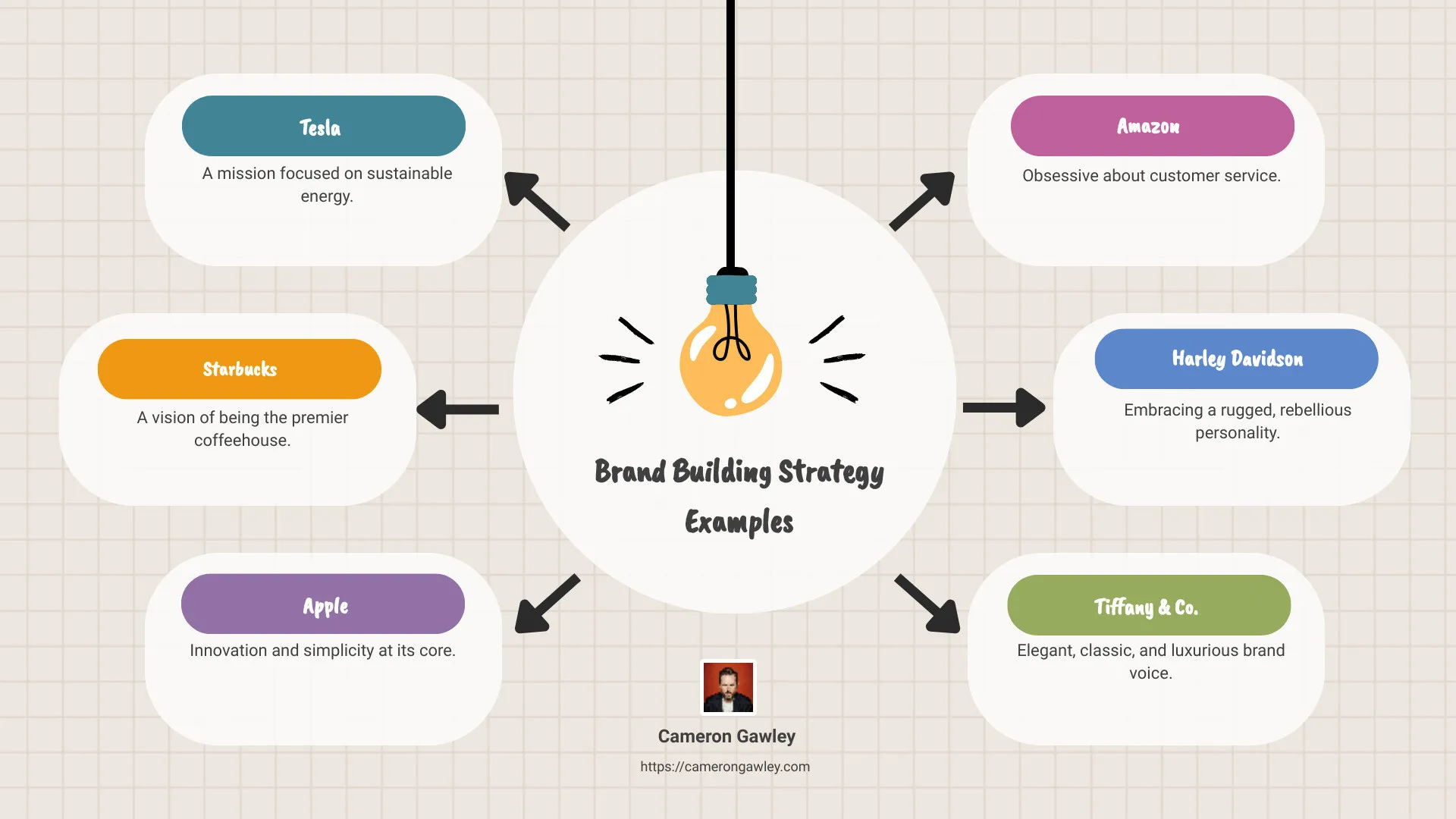
- Tesla: A mission focused on sustainable energy.
- Starbucks: A vision of being the premier coffeehouse.
- Apple: Innovation and simplicity at its core.
- Amazon: Obsessive about customer service.
- Harley Davidson: Embracing a rugged, rebellious personality.
Successful brands don't emerge by mere chance. At the heart of their triumph lies a meticulously crafted brand strategy, a long-term plan outlining how the brand will engage with the market. Such strategies simplify the brand's message, making it resonate more with its intended audience.
Brand strategy differs from marketing strategy: while marketing campaigns drive short-term goals like sales, a brand strategy positions your brand uniquely and builds a loyal customer base.
I'm Cameron Gawley, a seasoned expert in brand building and growth strategies. With decades of experience in steering top-tier brands to success, I understand the full spectrum of brand building strategy examples that work. Let's explore how you can elevate your brand.
Understanding Brand Strategy
A brand strategy is a long-term plan designed to achieve specific goals that result in a unique brand identity. It's not just about logos or slogans; it's about creating a cohesive and consistent experience for your customers. This strategy helps differentiate your brand from competitors and builds a loyal customer base.
Definition
At its core, a brand strategy is a set of planned actions that align with your company's mission, values, and priorities. It's like a roadmap that guides all your branding efforts. Think of it as a blueprint for how you want your brand to be perceived in the market.
Long-Term Goals
Brand strategy focuses on long-term objectives rather than immediate sales. The aim is to build a strong, memorable brand that stands the test of time. For instance, Tesla doesn't just sell cars; it promotes a vision of a sustainable future. This long-term focus creates a strong emotional connection with customers, making them more loyal and engaged.

Brand Identity
Brand identity encompasses all the elements that make your brand unique. This includes your logo, color scheme, and even your brand's voice. A strong brand identity helps you stand out in a crowded market.
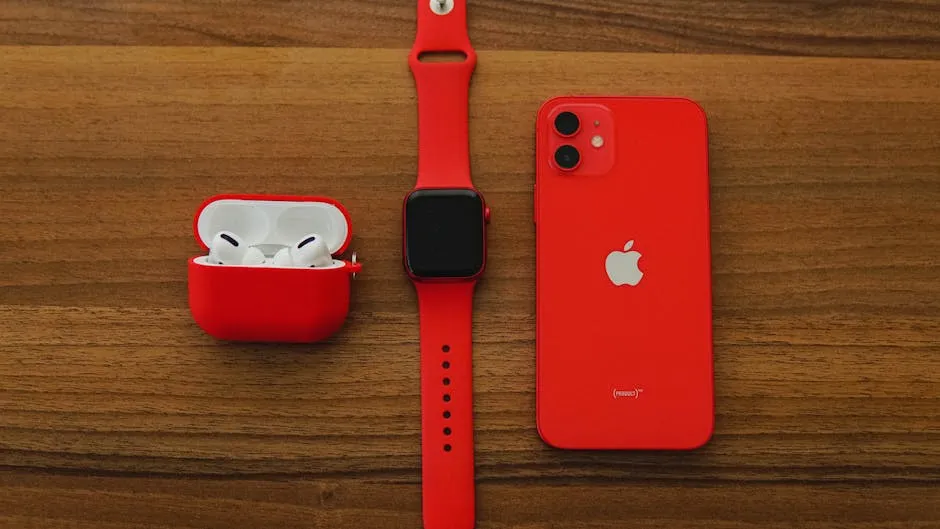
Apple is a great example. The company's focus on innovation and simplicity is evident in everything from its product design to its advertising. This consistent identity has helped Apple build a loyal customer base willing to pay a premium for its products.
Key Elements
To create a successful brand strategy, you need to focus on several key elements:
- Brand Purpose: Why does your brand exist? What problem does it solve? For example, Tesla’s purpose is to accelerate the world's transition to sustainable energy.
- Brand Vision: What future do you envision for your brand? Starbucks aims to be the premier purveyor of the finest coffee in the world.
- Brand Values: These are the principles that guide your brand's actions. Apple values innovation, simplicity, and a customer-centric approach.
- Brand Positioning: How do you differentiate your brand from competitors? Amazon positions itself as the one-stop shop for everything, with a focus on customer obsession and quick delivery.
- Brand Personality: What human traits does your brand embody? Harley Davidson is known for its rebellious and rugged personality.
- Brand Voice: How does your brand communicate? Tiffany & Co. uses an elegant and classic tone to convey luxury.
- Brand Storytelling: What stories do you tell to connect with your audience? AirBnB uses storytelling to promote the idea that you can "belong anywhere."
- Brand Identity: The visual and verbal elements that make up your brand, like logos and slogans. Nike’s "Just Do It" slogan is a perfect example.
By understanding these elements, you can create a brand strategy that not only sets you apart but also builds a loyal customer base.
Next, let's dive into 12 Brand Strategy Examples for Successful Marketing to see how top brands use these principles to achieve success.
Key Elements of a Successful Brand Strategy
Creating a successful brand strategy involves several key elements. Each plays a crucial role in shaping how your brand is perceived in the market. Let's break them down.
Brand Purpose
Brand purpose is the reason your brand exists beyond making a profit. It’s about what you stand for and the impact you want to make. For example, Tesla's purpose is not just to sell cars but to accelerate the world’s transition to sustainable energy. This higher purpose inspires both employees and customers.
Brand Vision
Your brand vision describes where you want your brand to go in the future. It’s your long-term goal. Starbucks envisions being the premier purveyor of the finest coffee in the world. This ambitious vision guides their strategic decisions and growth.
Brand Mission
The brand mission outlines the commitments your brand makes to achieve its vision. It transforms your vision into actionable steps. For instance, Nike's mission is to bring inspiration and innovation to every athlete in the world. This mission drives their product development and marketing strategies.
Brand Values
Brand values are the core principles that guide your brand’s actions and decisions. They shape your brand’s culture and help build a consistent brand experience. Apple values innovation, simplicity, and customer-centricity. These values are evident in their products and customer service.
Brand Positioning
Brand positioning is about how you differentiate your brand in the market. It’s the unique space you occupy in your customers’ minds. Amazon positions itself as a customer-obsessed, one-stop shop with quick delivery. This strong positioning has helped Amazon dominate the e-commerce space.
Brand Personality
Your brand personality is the set of human traits associated with your brand. It makes your brand relatable. Harley Davidson has a rebellious, rugged personality that resonates with its customers who value freedom and adventure.
Brand Voice
Brand voice is how you communicate with your audience. It should be consistent across all channels. Tiffany & Co. uses an elegant and classic voice to convey luxury and timelessness. This consistent voice helps build a strong brand identity.
Brand Storytelling
Brand storytelling involves sharing stories that reflect your brand’s values and mission. It helps create an emotional connection with your audience. AirBnB tells stories of unique travel experiences, emphasizing the idea that you can "belong anywhere." This storytelling approach fosters a sense of community.
Brand Identity
Brand identity encompasses the visual and verbal elements that define your brand. This includes logos, colors, and slogans. Nike’s "Just Do It" slogan is an iconic part of their brand identity, encapsulating their brand’s spirit and inspiring athletes worldwide.
By understanding and implementing these elements, you can create a robust brand strategy that distinguishes your brand and builds a loyal customer base.
Next, let's dive into 12 Brand Strategy Examples for Successful Marketing to see how top brands use these principles to achieve success.
12 Brand Strategy Examples for Successful Marketing
1. Tesla: Brand Mission
Tesla's mission is to "accelerate the world’s transition to sustainable energy." This clear, ambitious mission drives everything they do. From electric vehicles to solar products, Tesla aligns its innovations with this mission. Elon Musk's visionary leadership amplifies this mission, making Tesla a leader in sustainable technology.
2. Starbucks: Brand Vision
Starbucks aims to be the "premier purveyor of the finest coffee in the world." This vision is evident in every aspect of their business, from the quality of their coffee to the customer experience they provide. Their global recognition and consistent customer experience are a testament to their strong brand vision.
3. Apple: Brand Values
Apple's brand values revolve around innovation, simplicity, and a customer-centric approach. Their products, from iPhones to Macs, reflect these values. By focusing on user experience and groundbreaking technology, Apple has built a loyal customer base that trusts and values their brand.
4. Amazon: Brand Positioning
Amazon positions itself as a customer-obsessed company. Their focus on quick delivery and being a one-stop shop for everything has cemented their place in the market. This positioning strategy has made Amazon a household name, synonymous with convenience and reliability.
5. Harley Davidson: Brand Personality
Harley Davidson's brand personality is rebellious, rugged, and all about freedom. Their motorcycles embody this spirit, appealing to a specific audience that values independence and adventure. This strong personality has created a community of loyal Harley riders.
6. Tiffany & Co.: Brand Voice
Tiffany & Co. uses an elegant, classic, and luxurious brand voice. Their marketing materials, store design, and customer interactions all reflect this voice. This consistency has made Tiffany & Co. a symbol of luxury and sophistication.
7. Nike: Brand Tagline
Nike's "Just Do It" tagline is one of the most iconic in the world. It inspires athletes of all levels to push their limits. This simple yet powerful tagline encapsulates Nike's brand spirit and has played a crucial role in their marketing success.
8. Chipotle: Quality Positioning & Personality
Chipotle positions itself as a provider of fresh, health-conscious Mexican food. Their commitment to using fresh produce and high-quality ingredients sets them apart. This positioning, combined with a friendly and approachable personality, has made Chipotle a favorite among health-conscious consumers.
9. Zappos: Brand Values
Zappos is known for its exceptional customer service, fun culture, and honesty. Their core values prioritize customer satisfaction, which has earned them a stellar reputation. Zappos' commitment to these values is evident in their policies and customer interactions.
10. Dollar Shave Club: Against Positioning & Personality
Dollar Shave Club disrupted the razor market with their affordable razors and humorous marketing. Their "against" positioning challenged the status quo, appealing to budget-conscious consumers. Their viral marketing campaigns, filled with humor, made a significant impact.
11. Old Spice: Repositioning With Personality
Old Spice successfully repositioned itself with a modern and humorous personality. Their marketing campaigns, like "The Man Your Man Could Smell Like," revitalized the brand and made it relevant to a younger audience. This repositioning has been a key factor in their resurgence.
12. AirBnB: Brand Storytelling
AirBnB's storytelling revolves around the concept of "belong anywhere." They emphasize the guest-host connection and community. This storytelling approach has humanized their brand, making it relatable and trustworthy. Their focus on unique experiences has set them apart in the travel industry.
By analyzing these brand building strategy examples, you can draw inspiration and insights to craft your own successful brand strategy. Next, let’s address some frequently asked questions about brand building strategies to further deepen your understanding.
1. Tesla: Brand Mission
Tesla is a prime example of how a brand mission can drive success. Founded in 2003, Tesla's mission is to "accelerate the world's transition to sustainable energy." This mission isn't just a statement; it's a guiding principle that shapes every aspect of the company.
Sustainable Energy
Tesla's commitment to sustainable energy is evident in its product line. The company doesn't just produce electric vehicles (EVs); it also develops solar panels and energy storage solutions. Elon Musk, Tesla's visionary leader, has often emphasized the importance of reducing reliance on fossil fuels. This focus on sustainability has made Tesla a leader in the green energy movement.
Electric Vehicles
Tesla's electric vehicles are not just cars; they are symbols of innovation and sustainability. Models like the Tesla Model S and Model 3 have set new standards for performance and range in the EV market. The company's focus on high-quality, high-performance vehicles has helped it capture a significant share of the automotive market.
Elon Musk
Elon Musk's role in Tesla's success cannot be overstated. His vision for a sustainable future and his relentless drive have propelled Tesla to the forefront of the automotive and energy industries. Musk's active engagement with customers, often responding to tweets and feedback, has also helped build a loyal customer base.
Key Takeaways
- Mission-Driven: Tesla's mission to promote sustainable energy guides its business decisions and product development.
- Innovation: The focus on high-performance electric vehicles and energy solutions sets Tesla apart.
- Leadership: Elon Musk's vision and engagement play a crucial role in the brand's success.
By understanding Tesla's brand mission, you can see how a clear, compelling mission can drive a brand to new heights.
2. Starbucks: Brand Vision
Starbucks has a clear and ambitious vision: “To be the premier purveyor of the finest coffee in the world.” This vision has guided every aspect of the brand's growth and success.
Premier Coffee
Starbucks aims to offer the best coffee experience. From sourcing high-quality beans to perfecting the brewing process, every step is meticulously managed.
- Quality Sourcing: Starbucks sources its coffee beans from the best farms around the world, ensuring top-notch quality.
- Expert Brewing: The company invests in state-of-the-art equipment and expert baristas to deliver a consistently excellent cup of coffee.
Global Recognition
Starbucks is not just a coffee shop; it's a global brand recognized for its quality and consistency.
- Global Presence: With over 30,000 stores worldwide, Starbucks has a ubiquitous presence. This scale ensures that wherever you are, you can expect the same high-quality experience.
- Brand Loyalty: Starbucks has built a strong brand loyalty, with customers returning for the consistent quality and experience.
Customer Experience
Starbucks focuses heavily on customer experience, from the ambiance of its stores to the personalized service.
- Inviting Atmosphere: The stores are designed to be warm and inviting, making them ideal places for socializing, working, or relaxing.
- Personalized Service: Starbucks offers personalization options like custom drinks and loyalty programs to enhance the customer experience.
Key Takeaways
- Vision-Driven: Starbucks' vision of being the premier coffee brand guides its business strategies and customer interactions.
- Quality and Consistency: Consistent quality and a focus on customer experience have helped Starbucks achieve global recognition.
- Customer-Centric: A focus on creating a welcoming atmosphere and personalized service boosts customer loyalty.
Starbucks shows how a clear vision can drive a brand to achieve global recognition and customer loyalty.
3. Apple: Brand Values
Apple is a masterclass in brand building. Their brand values of innovation, simplicity, and customer-centricity have propelled them to the top.
Innovation
Apple's commitment to innovation is legendary. From the first Macintosh to the latest iPhone, Apple has always pushed the envelope. Steve Jobs said, "Innovation distinguishes between a leader and a follower." This focus on cutting-edge technology helps Apple stay ahead of competitors.
- Continuous Improvement: Apple constantly updates its products, making them faster, sleeker, and more efficient.
- Pioneering New Markets: Apple was a pioneer in personal computing, smartphones, and tablets. Each new product category redefined its industry.
Simplicity
Apple’s design philosophy is all about simplicity. Their products are intuitive and easy to use. This simplicity extends beyond design to their marketing and branding.
- Clean Design: Apple's products are known for their minimalist aesthetic. The iPhone, for example, has a simple, sleek design that appeals to a broad audience.
- User-Friendly: Apple products are designed to be user-friendly. The interface is intuitive, making it easy for anyone to pick up and use their devices.
Customer-Centric
Apple puts the customer at the center of everything they do. This customer-centric approach creates a loyal fan base and drives repeat business.
- Exceptional Customer Service: Apple Stores offer exceptional customer service, including the Genius Bar for tech support.
- Community Building: Apple creates a sense of community among its users. Their events and product launches are highly anticipated and foster a sense of belonging.
Key Takeaways
- Innovative Leadership: Apple’s focus on innovation sets them apart as industry leaders.
- Simplicity in Design: A minimalist, user-friendly design makes their products accessible and appealing.
- Customer Focus: Exceptional customer service and community building help retain loyal customers.
Apple’s brand values of innovation, simplicity, and customer-centricity are key to their success and can be a model for other brands aiming for similar heights.
Next, let's explore how Amazon's brand positioning has made it a household name.
4. Amazon: Brand Positioning
Amazon's brand positioning revolves around three key pillars: customer obsession, quick delivery, and being a one-stop shop.
Customer Obsession
Amazon's founder, Jeff Bezos, said, "We’re not competitor-obsessed, we’re customer-obsessed." This philosophy is at the core of Amazon's brand strategy. They focus relentlessly on improving the customer experience.
- Customer Reviews: Amazon popularized the use of customer reviews to build trust and transparency.
- Personalized Recommendations: Their advanced algorithms suggest products based on customer behavior, making shopping more personalized.
- Customer Service: Amazon's customer service is known for being responsive and accommodating, often going above and beyond to resolve issues.
Quick Delivery
Amazon has set the gold standard for quick delivery. Their Prime membership offers free two-day shipping on millions of items, which has become a key differentiator.
- Fulfillment Centers: Amazon has strategically placed fulfillment centers around the globe to ensure faster delivery times.
- Amazon Prime: Over 200 million people globally are Amazon Prime members, enjoying benefits like same-day or next-day delivery.
- Innovations in Logistics: From drones to automated warehouses, Amazon continually invests in logistics to speed up delivery times.
One-Stop Shop
Amazon aims to be the place where you can buy anything and everything. This "everything store" approach makes it a convenient choice for consumers.
- Wide Product Range: From books to electronics to groceries, Amazon offers an extensive range of products.
- Amazon Basics: Their private label offers affordable alternatives to branded products, increasing customer loyalty.
- Services Integration: Beyond products, Amazon offers services like Amazon Web Services (AWS), streaming (Prime Video), and even groceries (Amazon Fresh).
Key Takeaways
- Customer-Centric Approach: Amazon’s obsession with customer satisfaction sets it apart.
- Fast Delivery: Quick and reliable delivery has become a hallmark of the Amazon brand.
- Comprehensive Shopping Experience: Being a one-stop shop makes Amazon a convenient and compelling choice for consumers.
Amazon’s brand positioning of customer obsession, quick delivery, and being a one-stop shop has made it a household name and a model for other brands aiming for comprehensive market dominance.
Next, let's dive into how Harley Davidson's brand personality has cultivated a loyal community.
5. Harley Davidson: Brand Personality
Harley Davidson's brand personality is all about rebellion, ruggedness, and freedom.
Rebellious Spirit
Harley Davidson embodies the spirit of rebellion. This is evident in their marketing campaigns, which often highlight the idea of breaking free from societal norms. The brand's personality resonates with those who see themselves as non-conformists.
A great example of this is their "Live Your Legend" campaign, which encourages riders to create their own path and live life on their terms.
Ruggedness
Harley Davidson's rugged image is a key part of its identity. The bikes themselves are built to be tough and durable, reflecting the brand's commitment to quality and strength. This ruggedness appeals to customers who value resilience and reliability in their motorcycles.
Freedom on the Open Road
Freedom is at the heart of Harley Davidson's brand. Riding a Harley is often portrayed as an escape from the mundane, offering a sense of liberation and adventure. This is captured in their famous tagline, "All for Freedom. Freedom for All."
Community and Loyalty
Harley Davidson has cultivated a community of loyal riders who share these values. The Harley Owners Group (HOG) is a testament to the brand's ability to connect with its audience on a deeper level. Members of HOG are not just customers; they are part of a family that shares a passion for riding and the Harley lifestyle.
Visual and Verbal Communication
The brand's personality is evident in all its touchpoints, from the design of the bikes to the tone of voice in their advertisements. Harley Davidson uses gritty, bold visuals and a straightforward, no-nonsense tone that speaks directly to their audience.
In summary, Harley Davidson's brand personality of rebellion, ruggedness, and freedom has helped create a strong emotional connection with its customers, fostering a loyal community that continues to grow.
Next, let's explore how Tiffany & Co. uses its brand voice to maintain its elegant and classic image.
6. Tiffany & Co.: Brand Voice
Tiffany & Co. is synonymous with elegance and luxury. Their brand voice plays a crucial role in maintaining this image, ensuring consistency across all communication channels.
Tiffany's tone of voice is witty, elegant, and classic. It reflects the brand's long history and timeless appeal. This consistency helps Tiffany stand out in the crowded luxury market.
Elegant and Classic
The elegance of Tiffany's brand voice is evident in their marketing materials, product descriptions, and social media posts. Every word is carefully chosen to reflect sophistication and class. For example, Tiffany's advertisements often feature poetic language and refined imagery, which perfectly align with their brand's essence.
Luxury
Tiffany's brand voice also emphasizes luxury. The company understands that their customers are not just buying jewelry; they are buying an experience. This is why every communication, from the in-store experience to their website, exudes a sense of high-end exclusivity.
Hong, who leads Tiffany's team of art directors and copywriters, mentioned, "Historically, Tiffany’s voice as a brand was witty and Twitter allows us to bring that back." This statement highlights how Tiffany adapts their classic voice to modern platforms while maintaining their luxurious tone.
Consistency
Consistency in brand voice is key to Tiffany's success. Whether it's a tweet, a product description, or an in-store interaction, the tone remains elegant and classic. This consistency builds trust and recognition, making Tiffany a go-to brand for luxury jewelry.
Tiffany's well-defined brand voice allows them to charge premium prices. Customers are willing to pay more for the Tiffany experience, which includes not just the product but also the iconic blue box and the sophisticated messaging that comes with it.
In conclusion, Tiffany & Co.'s brand voice is a powerful tool that reinforces their position as a leader in the luxury market. By maintaining an elegant, classic, and luxurious tone, Tiffany continues to attract and retain discerning customers.
Next, we'll examine how Nike's iconic tagline has become a key element of their brand strategy.
7. Nike: Brand Tagline
Nike's tagline, "Just Do It," is one of the most iconic in the world. Created 30 years ago by the renowned advertising agency Wieden + Kennedy, this simple phrase has become a cornerstone of Nike's brand strategy.
Inspiration and Athleticism
"Just Do It" isn't just a tagline; it's a call to action. It encourages people to push their limits, overcome obstacles, and achieve their goals. This message of inspiration resonates deeply with athletes and non-athletes alike.
Nike's brand is built around the core values of athleticism, performance, and innovation. The tagline perfectly encapsulates these values, urging everyone to take action and strive for excellence.
High-Profile Endorsements
Nike's brand strategy also includes high-profile endorsements from top athletes like Michael Jordan, LeBron James, and Cristiano Ronaldo. These endorsements bring the "Just Do It" message to life, showing real-world examples of perseverance and success.
For instance, the Air Jordan product line, endorsed by Michael Jordan, remains one of Nike's most successful. This line isn't just about shoes; it's about the story of an athlete who embodies the "Just Do It" spirit.
Social Impact
Nike has also used its tagline to address social issues. Campaigns featuring athletes like Serena Williams and Colin Kaepernick have promoted messages of perseverance and social justice. This has helped Nike connect with a broader audience and reinforce its brand as not just a sportswear company, but a lifestyle brand.
Consistency Across Channels
Nike's tagline is consistently used across all channels of communication, from advertising to social media to in-store displays. This consistency helps build a strong, recognizable brand that people can easily connect with.
In summary, Nike's "Just Do It" tagline is more than just a marketing slogan. It's a powerful message that inspires action and reflects the brand's core values of athleticism and innovation. This consistency and emotional connection have made it a key element of Nike's enduring success.
Next, we'll explore how Chipotle uses quality positioning and personality to stand out in the competitive fast-food industry.
8. Chipotle: Quality Positioning & Personality
Chipotle Mexican Grill has made a name for itself by focusing on quality positioning and personality, setting it apart in the competitive fast-food industry.
Fresh Produce
Founder Steve Ells, a Culinary Institute of America graduate, saw an opportunity to offer Americans fresher and more vegetable-focused Mexican food. This was a significant shift from the typical fast-food offerings. Chipotle's commitment to using sustainably sourced, naturally raised, and organic ingredients has created a strong brand perception of freshness and quality.
Customers can see their food being prepared in an open kitchen, reinforcing the message of transparency and trustworthiness. This approach not only appeals to health-conscious diners but also builds trust and customer loyalty.
Health-Conscious
Chipotle's menu is designed to cater to health-conscious consumers. The "build your own" approach allows customers to select fresh ingredients for their burritos, bowls, tacos, or salads. This customization gives diners control over their meals, making it easier to choose healthier options.
The brand's emphasis on fresh vegetables and high-quality meats has expanded the market to include more health-conscious diners. This move has not only attracted new customers but also differentiated Chipotle from competitors like Taco Bell, which focuses on low prices.
Mexican Food
Mexican food has always been popular in America, but Chipotle brought a fresh twist to it. By focusing on quality and freshness, Chipotle has elevated the perception of Mexican fast food. Their cheeky personality and clever marketing campaigns further enhance their brand image.
For example, Chipotle's marketing often includes cheeky one-liners and humorous content, making the brand feel approachable and fun. This personality resonates with customers and makes the dining experience more enjoyable.
In summary, Chipotle's focus on fresh produce, health-conscious options, and a fun personality has allowed it to carve a unique niche in the fast-food industry. This strategy not only attracts health-conscious diners but also builds a loyal customer base that appreciates quality and transparency.
Next, we'll delve into how Zappos uses brand values to create an exceptional customer experience.
9. Zappos: Brand Values
Zappos is a standout example when it comes to building a brand around strong values. Founded with a focus on customer service, Zappos has grown into a brand known for its exceptional customer experience, fun atmosphere, and unwavering honesty.
Customer Service
At the core of Zappos' success is its commitment to customer service. The company aims to "Deliver WOW Through Service," ensuring every customer interaction is memorable. This dedication is not just a slogan but a practice embedded in the company's culture. Zappos offers a 365-day return policy and free shipping both ways, making shopping hassle-free for customers. This relentless focus on service has resulted in a loyal customer base and a reputation that speaks for itself.
Fun
Zappos also emphasizes creating a fun and engaging workplace. One of their core values is to "Create Fun and A Little Weirdness." This value is reflected in everything from their office environment to their marketing campaigns. The company encourages employees to be themselves and bring their unique personalities to work. This approach not only boosts employee morale but also translates into a more engaging and authentic customer experience.
Honesty
Honesty is another cornerstone of Zappos' brand values. The company strives to "Build Open and Honest Relationships With Communication." Transparency is prioritized, whether it's with customers, employees, or partners. This commitment to honesty helps build trust and fosters long-term relationships. Zappos' open communication channels ensure that everyone involved with the brand feels valued and heard.
A Unique List of Values
Zappos' unique list of ten core values serves as the cornerstone of their strategy. These values guide every decision and action within the company, from hiring to customer interactions. The result is a brand that not only talks the talk but walks the walk.
In summary, Zappos demonstrates how brand values can drive success. By focusing on customer service, fun, and honesty, the company has created an exceptional customer experience that sets it apart from competitors.
Next, we'll explore how Dollar Shave Club used humor and affordability to disrupt the men's grooming market.
10. Dollar Shave Club: Against Positioning & Personality
Dollar Shave Club is a textbook example of how a small brand can disrupt a market dominated by giants. Founded by Michael Dubin, this company took on Gillette with a simple yet powerful strategy: affordable razors combined with a unique brand personality.
Affordable Razors
Dollar Shave Club's main selling point was affordability. They offered high-quality razors at a fraction of the cost of their competitors. This was a game-changer in the men's grooming market, where consumers were tired of paying premium prices for basic products.
Humor
What really set Dollar Shave Club apart was their use of humor. Their viral marketing video, which introduced the brand to the world, was packed with dry humor and wit. This video catapulted them to stardom, garnering millions of views and creating a buzz that traditional advertising couldn't achieve.
"Our blades are f***ing great," proclaimed Michael Dubin in the video, capturing attention with a mix of humor and boldness.
Viral Marketing
The viral video wasn't just funny; it was a strategic masterpiece. It directly pointed fingers at the high prices and over-engineered products of their rivals, making the audience laugh while driving home the message that Dollar Shave Club offered a better deal.
This approach didn't just earn them laughs; it earned them a $1 billion acquisition by Unilever.
Conclusion
Dollar Shave Club shows that against positioning and a strong brand personality can make a small brand a formidable competitor. By focusing on affordability and using humor to connect with their audience, they disrupted the market and created a lasting impact.
Next, we'll look at how Old Spice used humor to rejuvenate an aging brand.
11. Old Spice: Repositioning With Personality
Old Spice was once seen as an "old man's brand," but they turned that perception around with a bold, humorous approach. Their "The Man Your Man Could Smell Like" campaign is a masterclass in brand repositioning.
Humor was at the heart of this campaign. The ads featured actor Isaiah Mustafa delivering absurdly funny monologues while transitioning through a series of increasingly ridiculous scenes. This humorous approach made the content highly shareable, creating a viral sensation.
Modern Appeal was achieved through a visual and tonal makeover. The new ads were sleek, , and visually engaging. They broke away from the outdated image and captured the attention of a younger audience.
Men's Grooming was repositioned from being mundane to something exciting and aspirational. Old Spice transformed its products into symbols of masculinity and confidence, making them more appealing to a broader demographic.
The result? Old Spice didn't just revamp its image; it became the #1 men's body wash brand on the market. This shows how effective humor and a modern appeal can be in rejuvenating an aging brand.
Next, we'll explore how AirBnB uses brand storytelling to create a sense of belonging.
12. AirBnB: Brand Storytelling
AirBnB has mastered the art of brand storytelling to create a sense of belonging and community. Their approach revolves around the idea that you can "belong anywhere."
Belong Anywhere
AirBnB’s tagline, "Belong Anywhere," is not just a phrase; it's a promise. This message resonates deeply with travelers looking for more than just a place to stay. It speaks to the desire for authentic experiences and connections.
Guest-Host Connection
AirBnB emphasizes the unique connection between guests and hosts. Unlike traditional hotels, AirBnB allows guests to stay in homes, providing a more personalized experience. This connection is often highlighted in their marketing campaigns, showcasing real stories of hosts and guests forming meaningful relationships.
For example, their "Made Possible by Hosts" campaign features heartfelt stories of how hosts have gone above and beyond to make guests feel at home. This narrative strengthens the bond between AirBnB and its users, making the brand more relatable and trustworthy.
Community
Community is at the heart of AirBnB’s brand strategy. They focus on building a global community of travelers and hosts who share their homes and cultures. This sense of community is evident in their initiatives like AirBnB Experiences, where locals offer activities and tours, further enriching the travel experience.
AirBnB also leverages social media to foster this community. They encourage users to share their experiences using hashtags like #AirBnB, creating a vast collection of user-generated content that showcases the diversity and richness of their community.
In summary, AirBnB’s brand storytelling is a powerful tool that emphasizes belonging, guest-host connections, and community. By focusing on these elements, AirBnB has created a brand that feels personal and welcoming, making it a favorite among travelers worldwide.
Next, we'll dive into some frequently asked questions about brand building strategy examples.
Frequently Asked Questions about Brand Building Strategy Examples
What is an example of a branding strategy?
A branding strategy is a long-term plan for developing a brand to achieve specific goals. For instance, in car manufacturing, Tesla has a clear branding strategy focused on sustainable energy and innovation. Their mission, "To accelerate the world’s transition to sustainable energy," guides all their activities and helps them stand out in the automotive industry.
Another example is a lawnmower company that positions itself as the most reliable and durable option for homeowners. By emphasizing high quality and durability in their branding, they can attract customers who value long-term investment over cheaper, less reliable options.
What is a brand building strategy?
A brand building strategy is a comprehensive plan designed to create and strengthen a brand's identity in the market. This involves:
- Brand Identification: Establishing a recognizable and unique brand image.
- Consumer Preference: Creating a brand that appeals to the target audience and meets their needs and desires.
- Long-Term Plan: Ensuring that all branding efforts are consistent and aligned with the company’s long-term goals.
For example, Apple focuses on innovation and simplicity, creating products that are not only functional but also beautifully designed. This strategy has built a loyal customer base that eagerly anticipates each new product release.
What are the 4 steps in building brand strategy?
Building a brand strategy involves a clear, step-by-step approach:
- Understand Your Company: Know your mission, vision, and values. Identify what sets your company apart from competitors. For example, Nike understands that their core is about inspiration and athleticism, which is reflected in their tagline, "Just Do It."
- Learn Your Audience: Research your target market to understand their needs, preferences, and behaviors. Tesla excels at this by targeting environmentally conscious consumers who are willing to pay a premium for sustainable products.
- Select Your Message: Craft a clear and compelling brand message that resonates with your audience. Starbucks communicates its brand vision of being the premier provider of the finest coffee, creating a unique customer experience.
- Track Growth: Monitor your brand's performance and make adjustments as needed. Use metrics like customer feedback, sales data, and social media engagement to measure success. Amazon tracks customer satisfaction meticulously, ensuring they maintain their position as the go-to online retailer.
By following these steps, you can develop a strong brand strategy that drives growth and builds a loyal customer base.
Next, we’ll explore the conclusion of our discussion on brand building strategies and how you can apply these lessons to your own business.
Conclusion
We've journeyed through diverse brand building strategy examples, discovering the unique approaches of industry giants like Tesla, Starbucks, and Nike. Each example highlights the importance of a well-defined brand strategy in achieving business success.
At Cameron Gawley, we understand that building a brand is more than just logos and slogans. It's about creating a cohesive and compelling narrative that resonates with your audience. Our expertise in brand building is rooted in entrepreneurial vision and a commitment to helping businesses thrive.
Cameron Gawley has a proven track record of guiding brands to success. With a focus on mentorship, we offer personalized strategies that align with your business goals. Whether you're a startup or an established company, our tailored approach ensures your brand stands out in a crowded market.
Ready to take your brand to the next level? Explore our services and discover how we can help you build a brand that not only attracts but also retains loyal customers.
By leveraging the insights and strategies we've discussed, you can create a brand that not only meets but exceeds your business objectives. Let's build something great together.