
Case study · Jewelry · Retail to digital
Nikki Smith Designs
Building an attainable luxury brand
My role
Brand and growth partner
Product
Dainty, waterproof jewelry, most under $50
Starting point
Retail-first, four Dallas stores
Levers
Perceived value, site, cart, findability
The brief
The product was right. The brand hadn’t caught up.
Nikki had what most founders are still chasing: a product people love and real notoriety in Dallas. Four stores, a loyal local following and pieces made to be worn every day.
But the brand was built retail-first. The stores did the selling and the storytelling. The job was to raise perceived value and turn a great local shop into a digitally native brand, without raising the price.


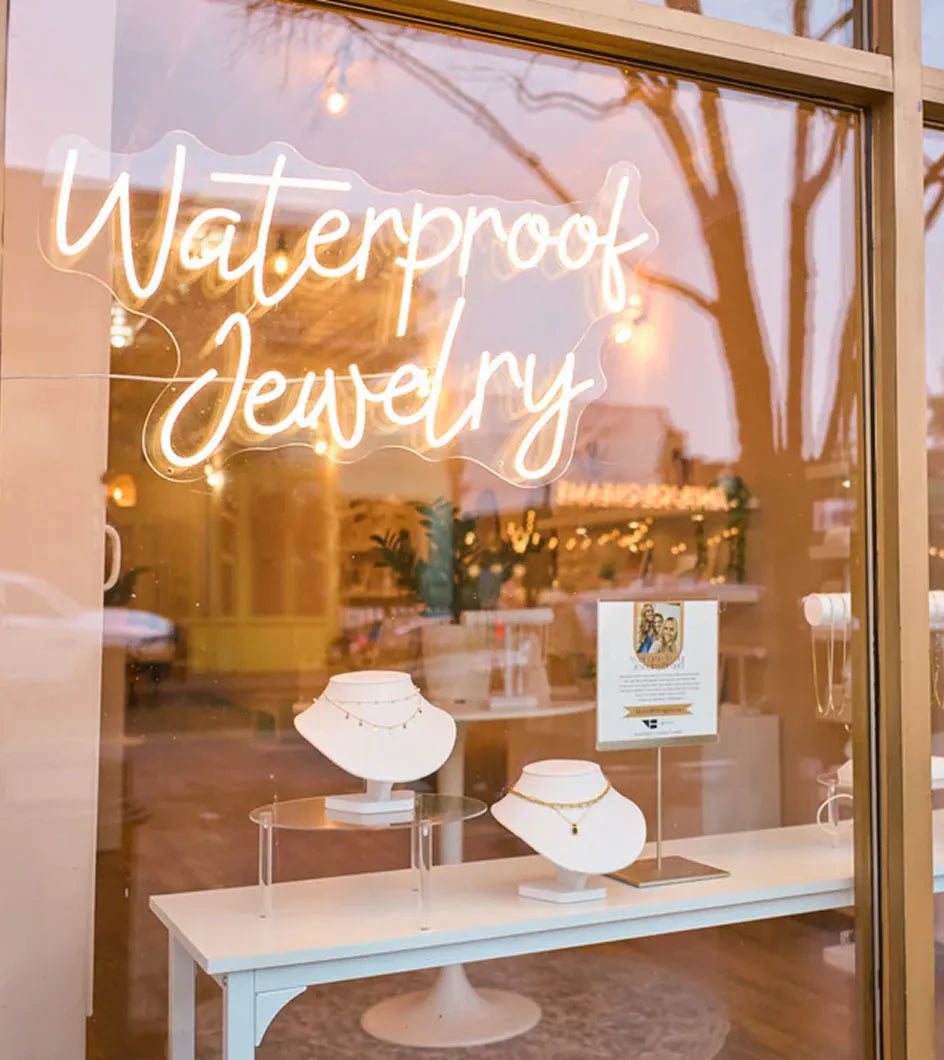
The real problem
Affordable should never look cheap.
Under-$50 jewelry lives or dies on perceived value. In the store, Nikki and her team carry that. Online, the site has to do it alone.
The opportunity was attainable luxury: keep the price where it is, and make everything around it, from the photography to the site to the box it ships in, feel like more than the price tag.
Key decisions · In the order we made them
Four calls to make it digitally native.
01
Attainable luxury as the position
Price stays accessible. Photography, type and styling signal a brand worth more than what you pay.
02
A site built like a flagship
Rebuilt on Shopify with a world-class mega menu and collections organized around how she wears it: vacation, country club, night out.
03
A cart built for order value
Free shipping over $75, a free tote over $100 and a progress bar that shows the next unlock. The signature box and suede pouch make every order feel like a gift.
04
Stores and site as one brand
Four Dallas stores now feed the digital brand, with Google, Merchant Center and AI shopping listings making it findable wherever she searches.
The shift
Same product. Same price. A brand that now sells online the way it looks in the store.
The lesson
Perceived value is a design decision, not a pricing decision.
Most retail-first brands try to fix online with discounts. The fix is making the brand feel worth more at the same price.
Want this kind of partner on your brand?

Next case study
Gardencup: $0 to a $29M run rate in 18 months